
The Story of the House’s Windows
The Glass RoomThis flow traces the windows as instruments of light, freedom, observation, damage, and the changing boundary between domestic space and the world.
increasing Bearing strength in each event
 decreasing
Bearing strength in each eventdecreasingWindows as a View
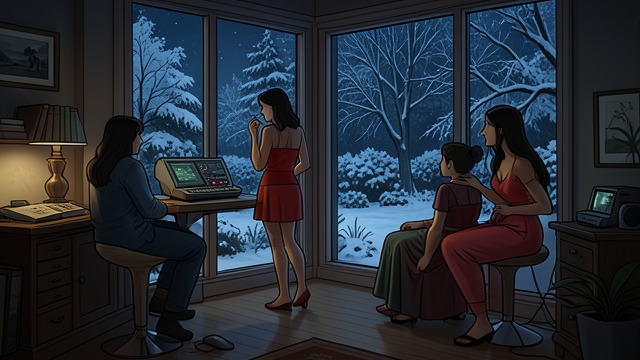
The City Enters the Room
Plate glass
The great windows open the Glass Room to the garden and the city view. The distant fortress and rooftops become part of the room’s visual composition.
The windows make the house seem to float above the hillside.
Nature as interior
Light, snow, and weather enter the family’s experience without requiring them to leave the room. The design blurs the boundary between home and landscape.
Windows That Descend
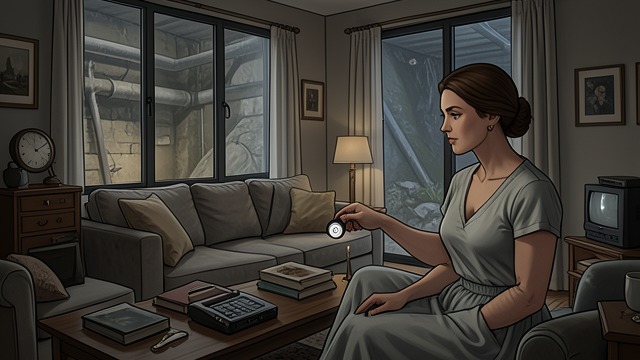
A Mechanical Opening
A hidden mechanism
At the press of a button, panes can descend into the basement, removing the barrier between the living room and the garden. The mechanism makes the house’s boundary physically adjustable.
Viktor and Liesel experience the movement as a startling invitation to let outside air enter.
Openness by design
The feature embodies the modern ideal of a home that can change its relationship to the world. It remains a controlled opening, dependent on machinery and choice.
Windows as a Mirror
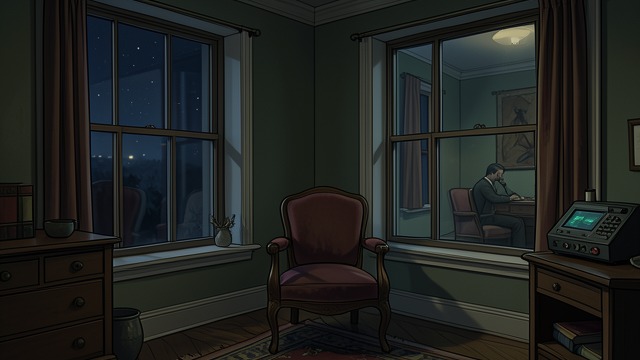
Reflection and Concealment
Night turns glass inward
When curtains remain open after dark, the windows reflect the room back into itself. The exterior becomes a mirror in which chairs, people, and the lawn appear doubled.
The glass that seems transparent by day can conceal and reproduce at night.
A changing reality
Reflection complicates the promise that the house makes everything visible. The windows offer different truths depending on light, time, and position.
The Bomb Breaks the Glass
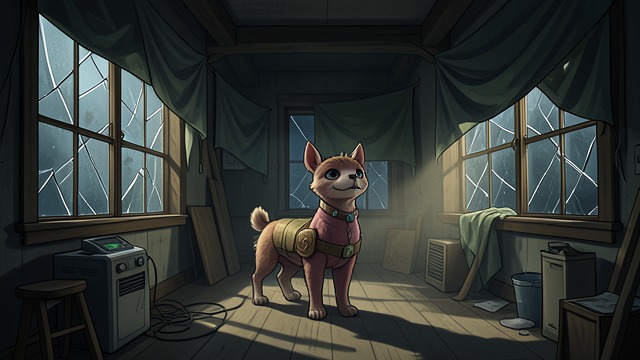
The Boundary Shatters
Physical damage
A bomb near the house shatters the plate-glass windows. Laník patches the openings with tarpaulins, changing a room of light into a dim shelter.
The damage is not repaired immediately and becomes part of the building’s wartime history.
An image of vulnerability
The glass walls had once made the house seem weightless and open. Their destruction reveals how easily modern materials and ideals can be broken by violence.
Windows Restored, Past Unchanged
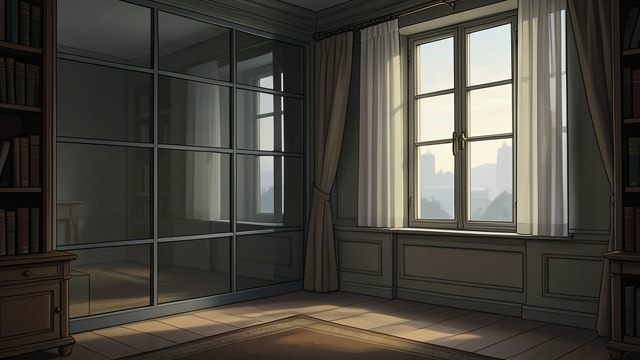
A Reconstructed View
Plate glass returns
Restorers replace the small panes with large sheets of glass and restore the room’s original visual openness. The former window mechanism is remembered as part of the design.
The restored view lets visitors experience something closer to the architect’s intention.
The limits of repair
Restored windows cannot reverse the family’s exile or the room’s wartime uses. Material repair recovers an appearance, not the life that once looked through it.
At the house’s completion
During the family’s years in the house
During the family’s evening life
During the November 1944 bombing
During the heritage restoration before 1990
